NEW YORK, NY –
The East Mediterranean Business Culture Alliance (EMBCA) will host a webinar panel discussion entitled “The Hellenic Language: Identity, Continuity, and the American Diaspora” on Sunday, February 8, at 2:00 p.m. EST / 9:00 p.m. Athens EEST. The discussion will be introduced and moderated by Lou Katsos, EMBCA President.
The distinguished panel will include Demetrios “Jim” Logothetis, Chairman of Leadership 100; Educator Demosthenes Triantafillou, Founding and First Principal of St. Dimitrios High School; Author/ Educator Aggeliki Mastromichalaki, PhD; Dimitra Patronidou, PhD, Acting Coordinator of Education at the Consulate General of Greece in New York; and Educator/ Community Leader, Peter Stavrianidis, PHD. Together, these educators, community leaders and scholars will engage the wider community in a meaningful discussion on the present and future of Hellenic language education in the United States.
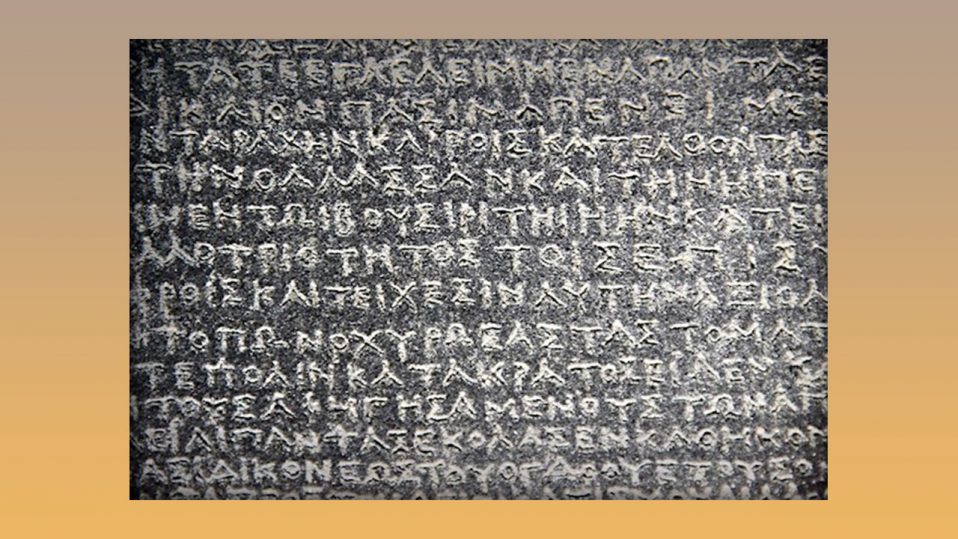
Held on the eve of International Greek Language Day, the program will examine the Hellenic language as one of the world’s oldest continuously spoken and written languages and as a foundational pillar of Hellenic civilization. “The panel will underscore the significance of Greek Language Day as a global affirmation of the Hellenic language’s enduring contributions to philosophy, literature, science, education, democratic ideals, and faith, while highlighting its continued relevance in today’s interconnected world”, notes Lou Katsos.
“From their vantage point as educators and community leaders, panelists will reflect broadly on the realities of teaching, sustaining, and expanding the use of the Hellenic language in the American Diaspora. Among the themes that may be explored are the language’s resilience alongside contemporary challenges, including reduced instructional time, declining enrollment in heritage programs, competing academic and extracurricular demands, and the predominance of English in daily life factors that often lead younger generations to encounter the Hellenic language more as a cultural symbol than as a living, spoken language”.
The discussion will also examine the close relationship between language, ethnicity, and identity, considering how this bond has historically strengthened communal continuity, while also reflecting on its appeal also to non -heritage learners. Panelists will share educator, community based informed perspectives on renewal and growth, including innovative pedagogical approaches, culturally relevant curricula, interdisciplinary connections, and the thoughtful use of technology and digital platforms.
According to EMBCA, throughout the conversation, attention will also be given to the vital role of families, churches, schools, universities, and community organizations in fostering environments where the Hellenic language is heard, spoken, and valued.
The panel seeks to reaffirm the Hellenic language not only as an academic subject or ethnic marker, but as a shared cultural inheritance and a living means of connection that can continue to grow through collective engagement.