CHANIA – [Photos by Π.Σ.Κ]
The proceedings of the 7th World Convention of Cretans concluded with great success in Chania, bringing together representatives of the Cretan Diaspora from around the world, institutional leaders, scientists, academics, local government officials, and members of civil society, all united by a common goal: shaping a modern vision for the Crete of today and tomorrow.
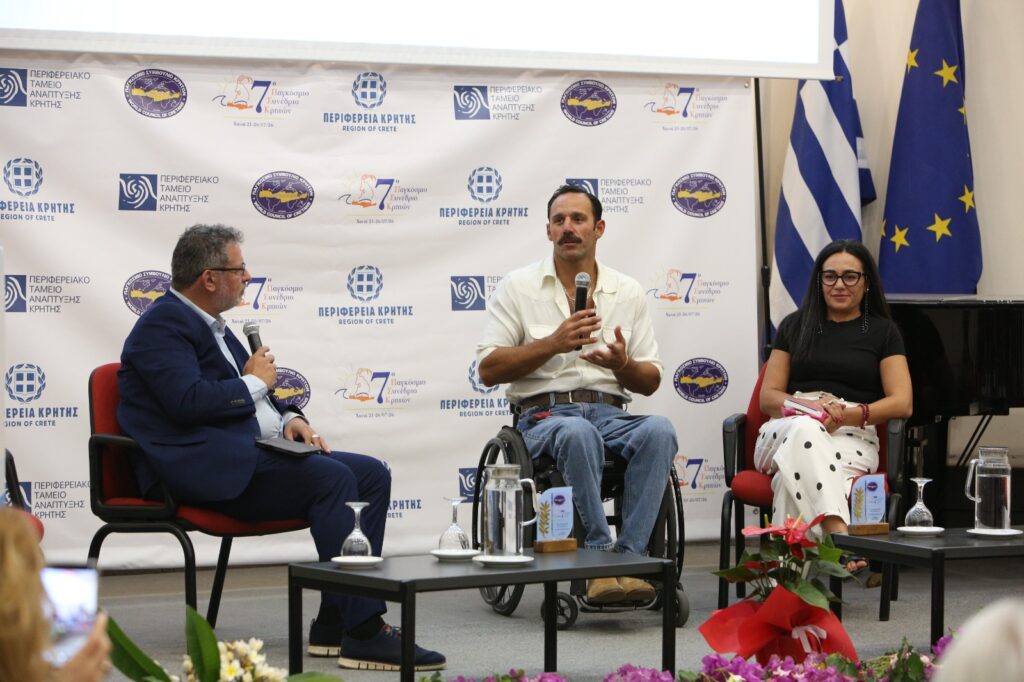
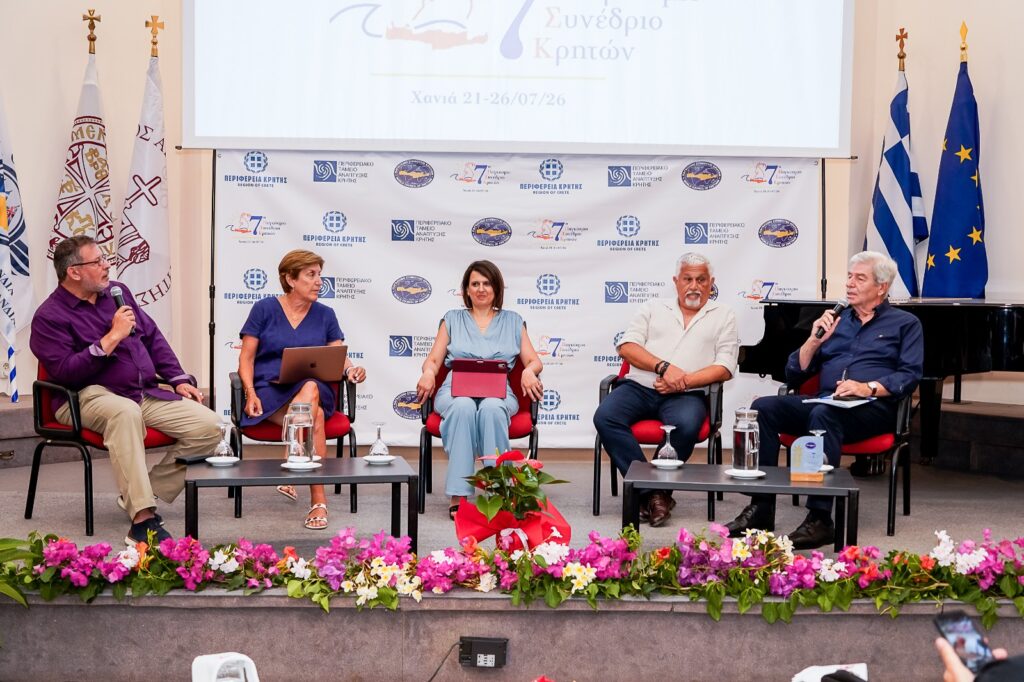
The final two days of the Convention were dedicated to the thematic sessions “Education and Culture” and “Inclusion, Social Responsibility, and Volunteerism,” highlighting the vital role that people, values, and cultural identity play in the sustainable development of the island.
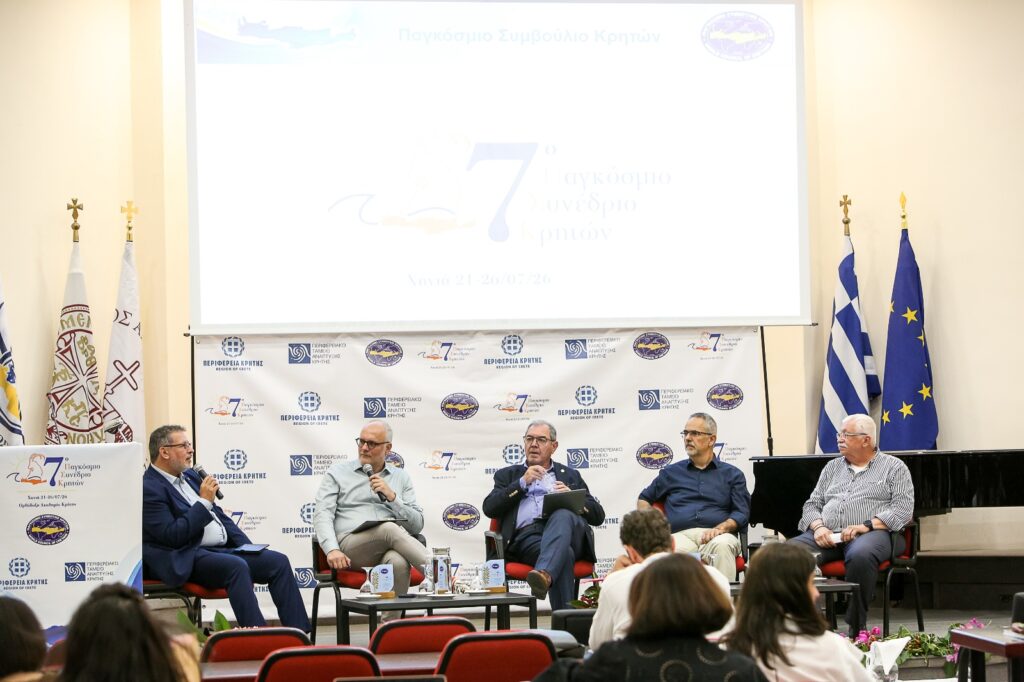
During the third day of the Convention, leading academics, cultural figures, educators, and representatives of the Diaspora engaged in a productive dialogue on the challenges facing education, cultural heritage, and the preservation of Cretan identity in the modern era. Special emphasis was placed on strengthening the connection of younger generations of the Diaspora with the language, history, and values of Crete, as well as on building new educational and cultural bridges between Crete and Cretans abroad.
Particular interest was generated by discussions regarding the future of culture on the island, with participants expressing the need to preserve the authenticity of Crete amid the challenges posed by mass tourism development. It was emphasized that tradition should not be transformed into a superficial tourist product, but rather remain a living element of everyday life, creativity, and the collective memory of the Cretan people.
A highlight of the day was the presentation of initiatives focused on preserving oral history, safeguarding cultural memory, and passing the experiences of previous generations on to younger people. At the same time, experiential workshops on culture, tastings of Cretan products, and traditional dance activities showcased the richness of Cretan heritage and its enduring value.
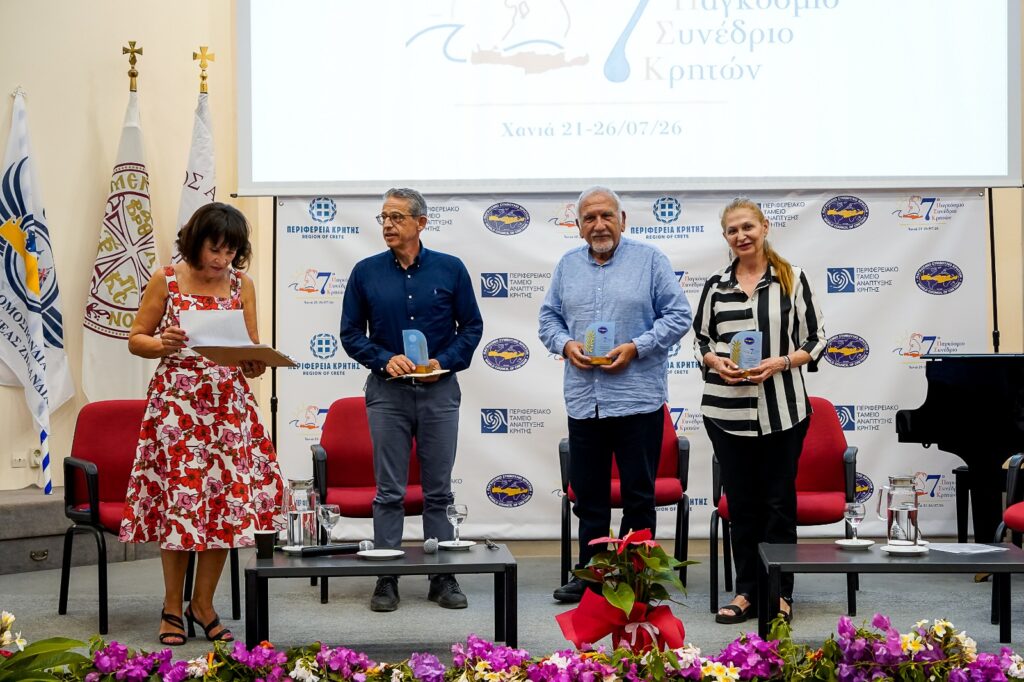
Convention delegates also had the opportunity to visit the village of Lousakies in the Kissamos region, where they experienced firsthand the birthplace of the Syrtos dance. Meanwhile, young members of the Diaspora presented the sounds of the Cretan lyra, violin, and lute through an immersive musical experience, honoring the area’s musical heritage and demonstrating the living connection of the younger generation with its roots.
A major highlight on Saturday evening was the presentation of the Cretan vineyard and a guided wine tasting led by sommelier Stella Liodaki, aimed at showcasing the richness, authenticity, and potential of Crete’s indigenous grape varieties. The event was made possible through the generous wine sponsorship of Oinotrapeza Liodakis Georgios & Co. in collaboration with participating wineries. Wines presented and tasted, in order, included: Manousakis Nostos Romeiko, Idaia Ocean Thrapsathiri, Klados Heritage Vidiano, Dourakis Orange de Noir Romeiko, and Idaia Hestia Mandilari. Participants had the opportunity to explore the distinctive expressions of Cretan grape varieties, learn about their characteristics, and discover the contemporary character of the Cretan vineyard through a comprehensive tasting experience.
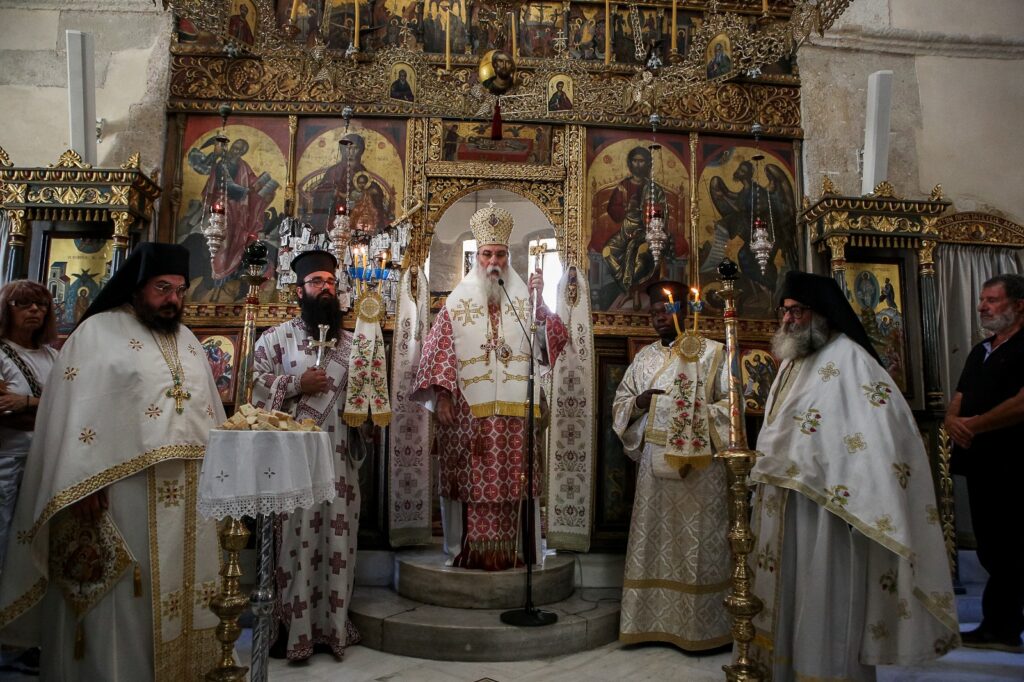
On Sunday, July 26, 2026, delegates received the blessing of His Eminence Metropolitan Amphilochios of Kissamos and Selino and were hosted at the Holy Monastery of Panagia Odigitria Gonia, where they had the opportunity to learn about its historical and spiritual significance.
The fourth and final day of the Convention focused on people and society. Topics such as social solidarity, public health, mental resilience, inclusion, the protection of vulnerable populations, and volunteer service were at the center of discussions.
A particularly important keynote address was delivered by the President of the Hellenic Red Cross, Dr. Antonios Avgerinos, entitled “Volunteerism: An Antidote to Violence.” In his remarks, he highlighted the critical role of volunteerism in strengthening social cohesion and building stronger networks of solidarity and support for vulnerable social groups.
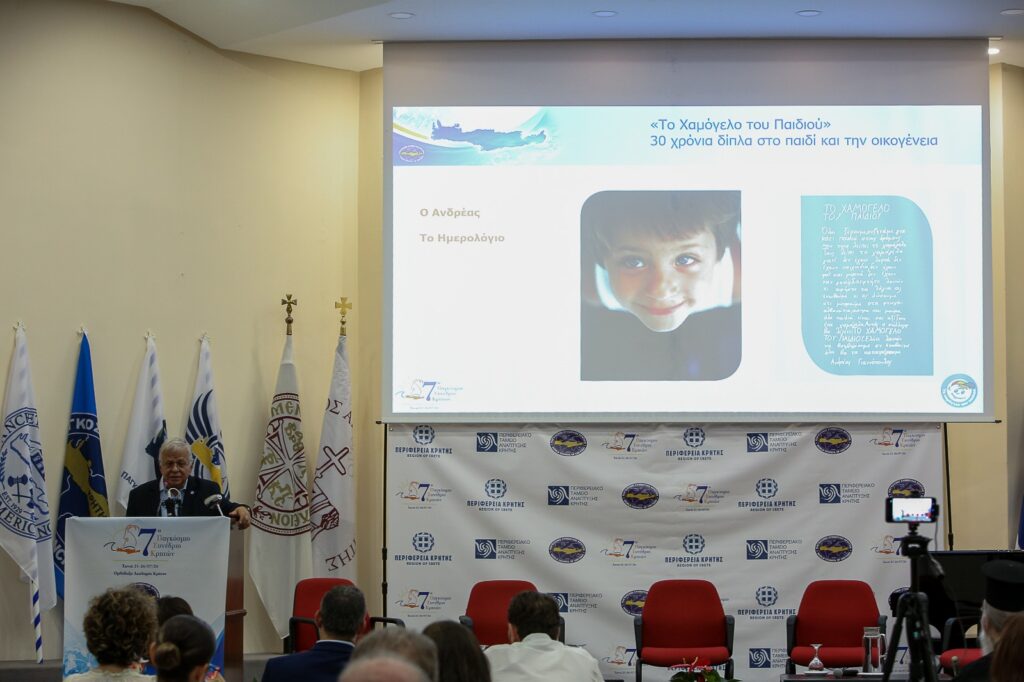
Equally significant was the keynote presentation by the President of “The Smile of the Child,” Kostas Giannopoulos, who presented alarming data concerning children and adolescents in Greece. He emphasized the need for early intervention, prevention, and the active engagement of society in protecting children. The prevailing message was that the well-being of a society is measured by the way it cares for its most vulnerable members.
At the same time, important initiatives in social service and volunteerism taking place throughout Crete were presented, demonstrating that solidarity and social responsibility remain deeply rooted values within Cretan society. Speakers highlighted the role of volunteer organizations, local government authorities, and engaged citizens in addressing social and humanitarian challenges.
Another important topic of discussion was the future of healthcare services in Crete and the need to establish modern facilities capable of meeting the growing needs of the island’s residents. Proposals were presented for upgrading care and rehabilitation services with the goal of improving citizens’ quality of life.
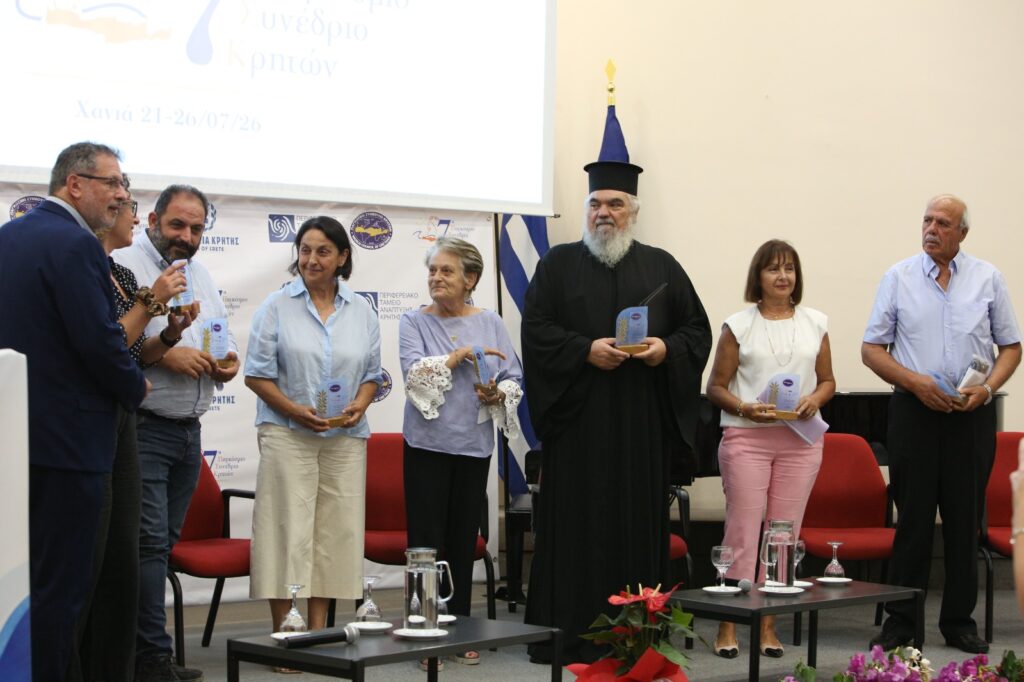
Youth delegates also had the opportunity to participate in a Cretan Dance Workshop organized by the “Psiloritis” Traditional Association under the direction of Mr. Adam Boutzoukas, gaining hands-on experience with the richness of Cretan music and dance traditions.
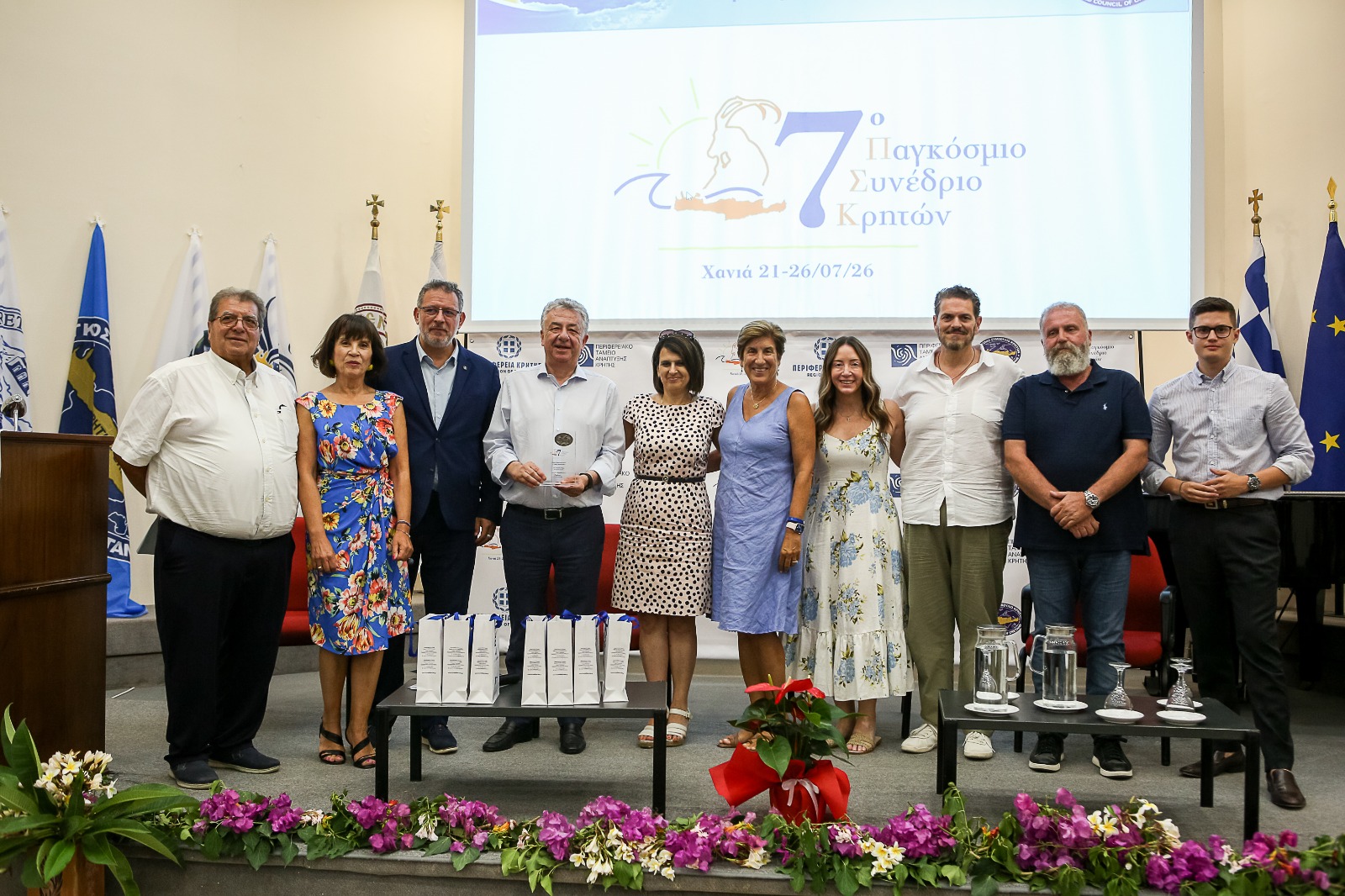
In closing the Convention, the President of the World Council of Cretans, Nickos Kastrinakis, warmly thanked all delegates, speakers, volunteers, sponsors, and organizations that contributed to the success of the event. Together with Sofia Malandraki, he presented a pilot initiative aimed at connecting Greek academics of the Diaspora with university students, fostering knowledge transfer, mentorship, and the creation of new academic bridges between Greece and the global Greek community.
He emphasized that the 7th World Convention of Cretans once again demonstrated that Crete and its Diaspora constitute a united, dynamic, and creative force capable of making a meaningful contribution to shaping a better future for the island and future generations. As he stated: “The progress of Crete and the well-being of its people are not the responsibility of a few. They are a shared vision and a collective responsibility for all of us.”
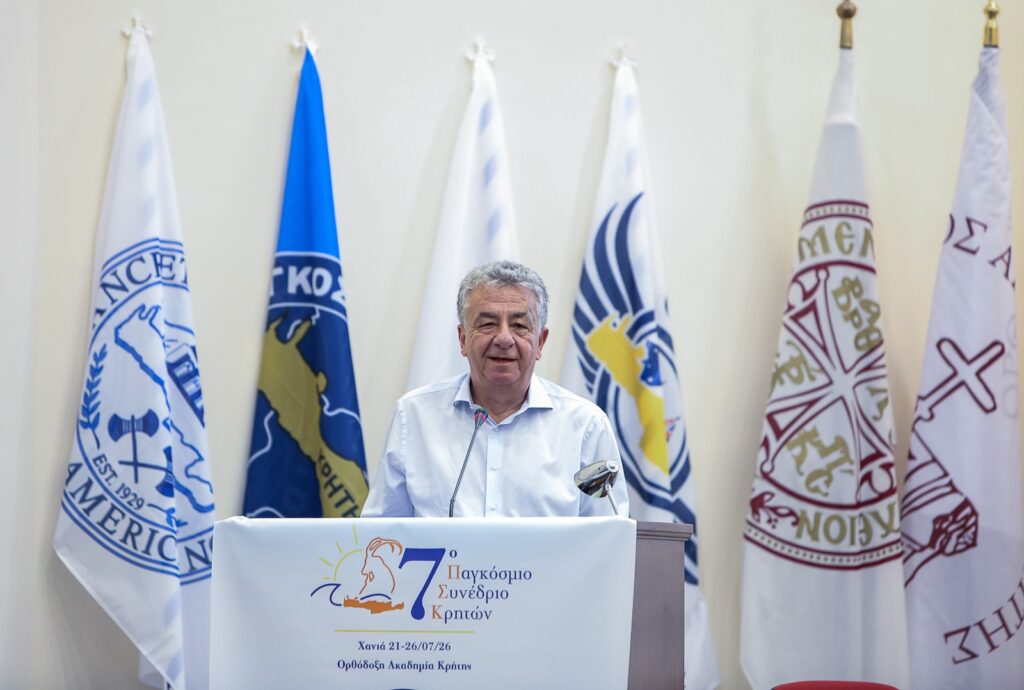
A memorable moment of the final day was the closing address by the Governor of the Region of Crete, Stavros Arnaoutakis, which officially concluded the Convention. The Governor stressed that the true strength of Crete lies in its people, particularly the Cretans of the Diaspora, who serve as invaluable ambassadors of the island throughout the world. He further noted that the development of Crete, the prosperity of its residents, and the preservation of its cultural identity are a shared responsibility of all Cretans, regardless of where they live.
With more than 80 speakers, 24 thematic sessions, eight keynote addresses, and participants from the United States, Australia, Europe, and Greece, the 7th World Convention of Cretans concluded leaving behind a valuable legacy of new ideas, partnerships, and proposals that will contribute meaningfully to shaping the Crete of tomorrow.