NEW YORK, NY – by Markos Papadatos
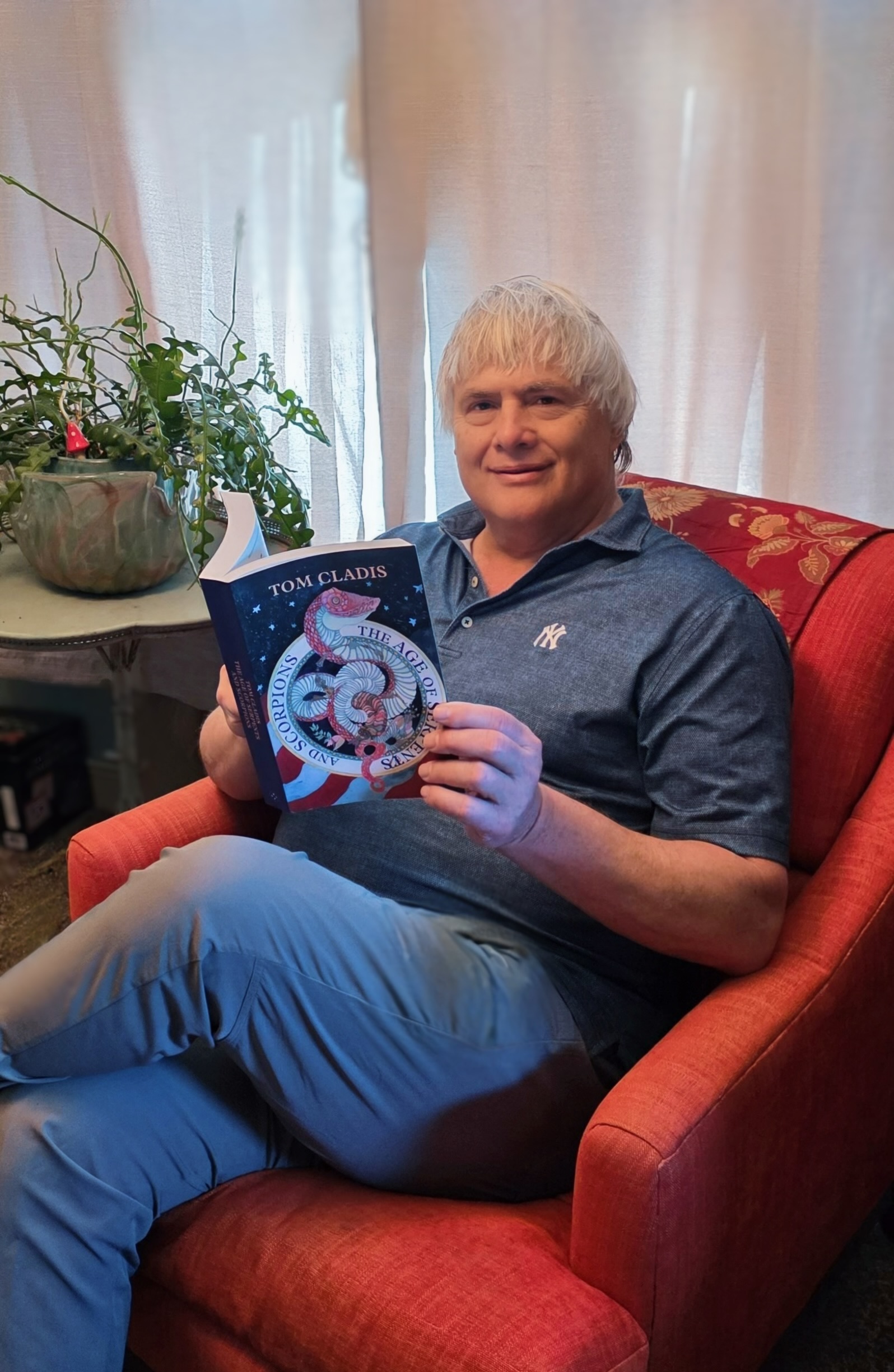
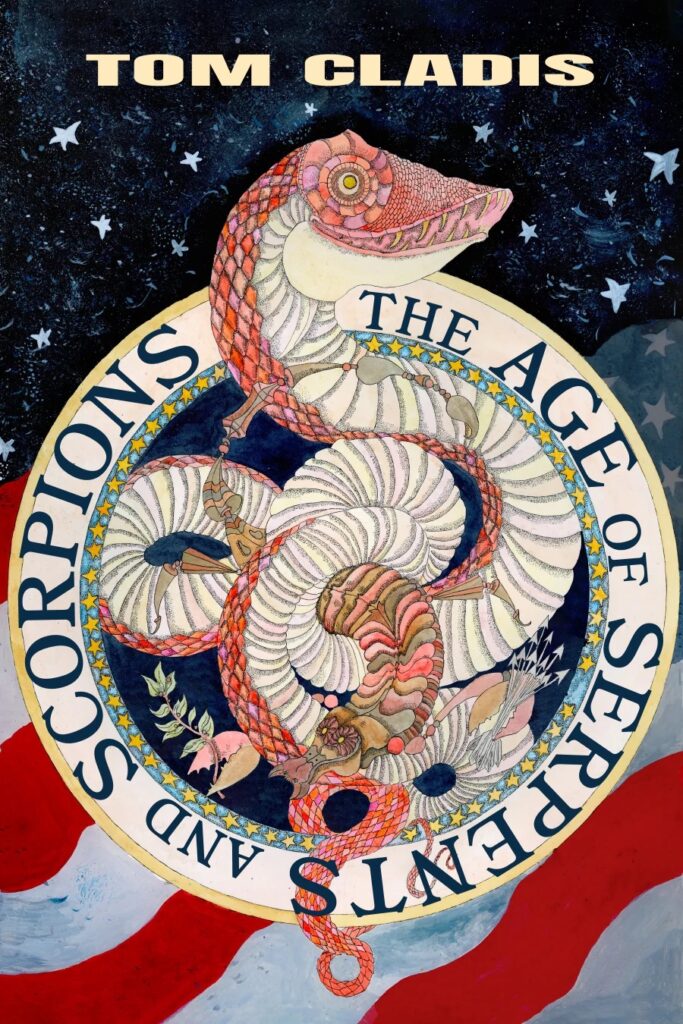
Greek-American author Tom Cladis spoke with Markos Papadatos about his Greek heritage and his new book “The Age of Serpents and Scorpions,” which was released on April 14th via Black Spring Press.
Tom Cladis is the author of “The Age of Serpents and Scorpions,” a cinematic, genre-bending debut that blends fantasy, political intrigue, and spiritual inquiry into a story that feels both intimate and sweeping in scope.
At its core are two teenagers pulled into a hidden battle shaping not just their lives, but the moral and spiritual direction of the world around them. The book draws on the themes of faith, power, and the tension between belief and doubt.
-What inspired you to write ‘The Age of Serpents and Scorpions’?
The idea came from a growing sense that people are often guided by narratives that don’t fully serve them—whether political, cultural, or even religious. I became interested in how easily we accept certain “truths” without questioning them.
That curiosity was sparked further during a stimulating conversation with a respected theologian where we fundamentally disagreed on the nature of belief and possibility.
That discussion stayed with me and evolved into a broader question that drives the book: what if the limits we accept aren’t real, but learned?
-What did this book teach you about yourself?
At the end of the day, my goal was simple: to write a really good story—one that pulls people in, keeps them turning pages, and stays with them long after it’s over. In the process, I was reminded just how powerful storytelling can be.
Writing this book affirmed that I have a voice, and that a well-told story can genuinely shape how people think and feel.
That’s especially true with “The Age of Serpents and Scorpions,” which by its nature challenges long-held assumptions. That can be uncomfortable for some readers—but for this story, that tension is central to its meaning, and ultimately, to why it needed to be told.
-What do your plans for the future include?
I tend to approach things the same way I did when I was competing in sports for most of my life—stay present and focus on what’s in front of you.
Looking ahead, I plan to continue writing, spend as much time as possible with my family, and explore more of the world. The long-term goal is simple: keep creating.
-How does it feel to be an author in the digital age?
It’s an incredible advantage. The speed at which you can create, edit, and share your work is unmatched, and the ability to reach a global audience instantly is something previous generations of writers never had.
You’re no longer limited by geography—you can connect with readers, collaborators, and platforms around the world with a single click.
-How do you use technology in your daily routine?
Technology has streamlined almost every part of daily life. Tasks that once required significant time and effort—research, communication, editing—are now immediate.
Having lived both before and after the rise of the internet, the contrast is striking. It’s made the creative process far more efficient and accessible.
-What advice do you have for young and emerging authors?
Consistency is everything. Set aside dedicated time to write and treat it as non-negotiable.
The second piece is resilience—rejection is part of the process. Every successful writer has faced it. The key is to keep going. Persistence matters more than perfection.
-Can you tell us about your Greek-American heritage?
I’m a third-generation Greek-American, as is my wife. Our families trace their roots to regions including Kalamata, Thessaloniki, Athens, Corinth, and Samos.
That heritage has been a big part of my life—from language and traditions to community—and it’s something I carry with me in both my personal and creative life.
-What would you like readers to take away from your book?
I want readers to be entertained first and foremost—to get lost in the story and enjoy the ride—but also to walk away questioning assumptions, both about the world and about themselves.
The story encourages people to think critically, stay curious, and not accept limitations at face value. It’s about exploring what might be possible when you challenge what you’ve been told is fixed.
-What does the word “success” mean to you?
To me, success is straightforward: if something I write moves someone—makes them rethink a belief, shift a decision, or even just gives them a break when they need it—then it’s done its job. That’s the standard I hold myself to.
Writing isn’t abstract for me; it’s a way to reach people and provoke a response. If it lands, it matters.
The book “The Age of Serpents and Scorpions” is available on digital service providers by clicking here.
For more information on Greek-American author Tom Cladis, follow him on Instagram and visit his official homepage.